By John Meyer
October 5, 2026
Creating privacy in your outdoor space can make your backyard, patio, or terrace more comfortable and enjoyable. As residential neighborhoods become more densely populated, homeowners often seek ways to establish secluded areas without sacrificing natural light or visual appeal. From strategic landscaping to professional lanai enclosure service, numerous solutions can transform exposed outdoor areas into private retreats. Understanding your property's layout, surrounding environment, and personal preferences will help you select features that provide lasting comfort. Combining natural barriers with architectural elements can create an attractive outdoor living space that accommodates relaxation, entertainment, and everyday activities.
Understanding the Importance of Outdoor Privacy
Outdoor privacy allows homeowners to relax, entertain guests, and enjoy personal activities without feeling exposed to neighboring properties. A secluded environment can create a peaceful atmosphere for reading, exercising, gardening, or spending time with family. Privacy also helps establish boundaries between individual properties while making outdoor living areas feel more inviting.
According to the International Casual Furnishings Association, 77% of U.S. homeowners with outdoor living spaces said they underutilize their space relative to how often they want to use it. Creating a comfortable and private environment may encourage homeowners to spend more time outdoors. Thoughtful improvements can also make existing patios and backyards more functional throughout the year.
Assessing Your Existing Outdoor Privacy
Before investing in privacy improvements, evaluate your property's existing layout and identify areas exposed to neighboring homes, sidewalks, or nearby roads. Consider where additional screening would be most beneficial and whether surrounding buildings overlook your outdoor living areas. Observing your property at different times of day can reveal changing sightlines and sunlight conditions that influence privacy.
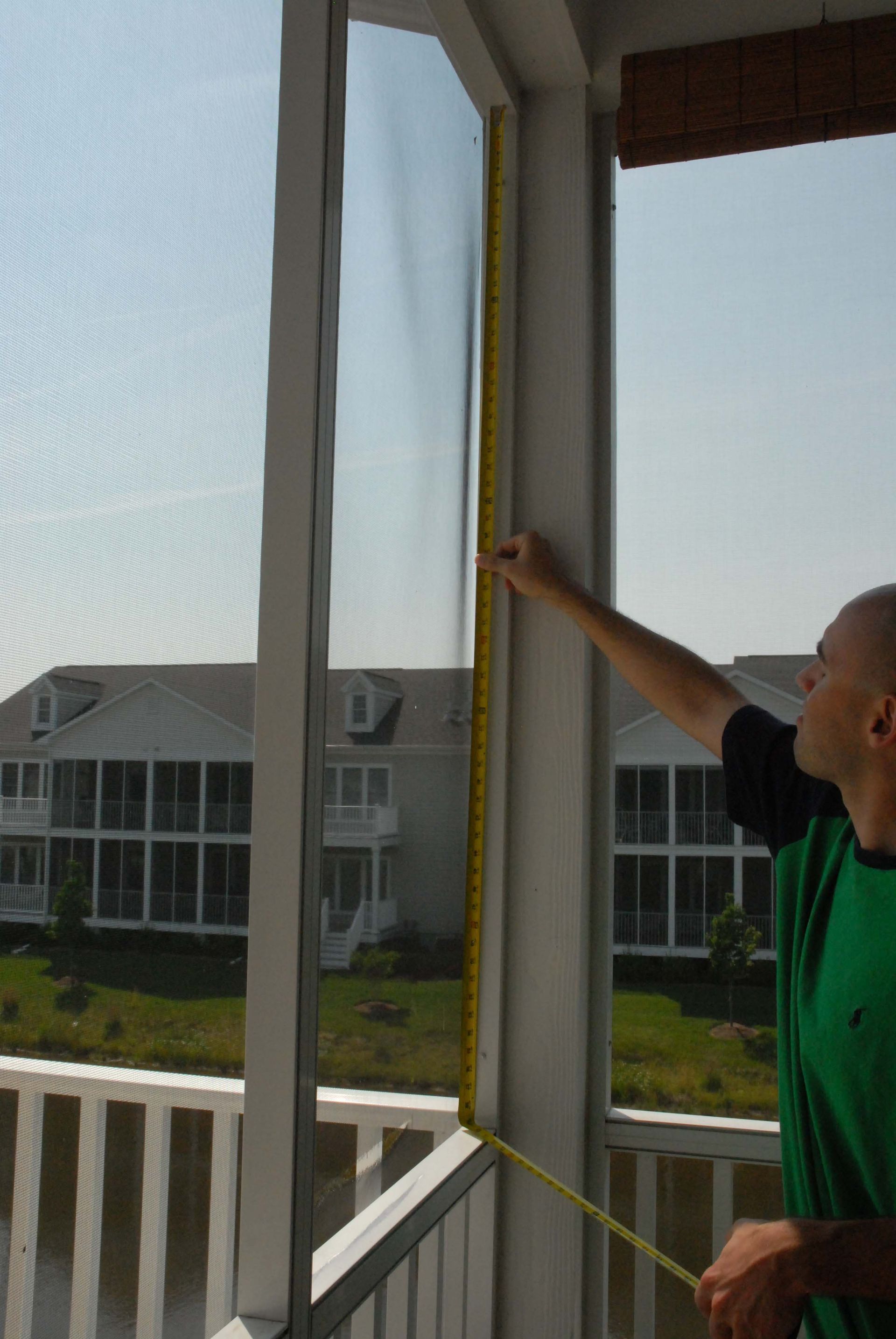
Determine how you intend to use each outdoor area before selecting landscaping or structural improvements. For example, an outdoor dining space may require different screening than a swimming pool or quiet reading area. Homeowners considering a lanai enclosure service should evaluate their patio dimensions, existing structures, and desired level of enclosure. Identifying these requirements early can help prevent unnecessary modifications and unexpected expenses.
Creating Natural Barriers With Hedges and Shrubs
Hedges and shrubs provide natural screening while introducing greenery, texture, and seasonal interest into outdoor environments. Evergreen varieties, including boxwood, holly, and certain types of yew, can maintain dense foliage throughout the year. Selecting plants suited to your local climate and soil conditions encourages healthy growth and reduces unnecessary maintenance.
Planting shrubs in staggered arrangements can create layered privacy barriers without making your yard feel completely enclosed. Consider each plant's mature height and width to avoid overcrowding or interference with surrounding structures. Regular trimming, appropriate watering, and occasional fertilization can help maintain attractive foliage. Combining different plant varieties also introduces visual diversity while creating additional screening at multiple heights.
Using Trees and Vertical Gardens for Privacy
Strategically positioned trees can provide overhead shade and obstruct elevated views from neighboring properties. Evergreen trees offer consistent screening, while deciduous varieties provide seasonal coverage and allow additional sunlight during colder months. Selecting appropriate species requires considering mature canopy dimensions, root development, and proximity to buildings or underground utilities.
Vertical gardens offer another practical solution for homeowners with limited landscaping space. Trellises, climbing vines, and wall-mounted planters create attractive barriers without occupying substantial ground area. These installations can complement a lanai enclosure service by introducing natural screening around enclosed patios and adjacent outdoor living spaces. Choose plants that tolerate the available sunlight and avoid varieties that could damage nearby structural surfaces.
Installing Privacy Fences and Decorative Screens
Privacy fences establish clear property boundaries while limiting visibility from neighboring homes and public areas. Common materials include wood, vinyl, composite, and metal, each offering different maintenance requirements and design possibilities. Solid panels provide substantial visual screening, while horizontal slats introduce a contemporary appearance. Fence height, placement, and material selection should complement your home's architecture and surrounding landscaping.
Decorative privacy screens provide additional flexibility for patios, decks, and outdoor seating areas. Freestanding screens can be repositioned as privacy requirements change, while permanently installed panels offer consistent coverage. Bamboo, lattice, and weather-resistant metal designs introduce decorative elements without requiring extensive renovations. Combining screens with planters or climbing vegetation can soften their appearance and create a more natural outdoor environment.
Exploring Lanai Enclosures for Outdoor Comfort
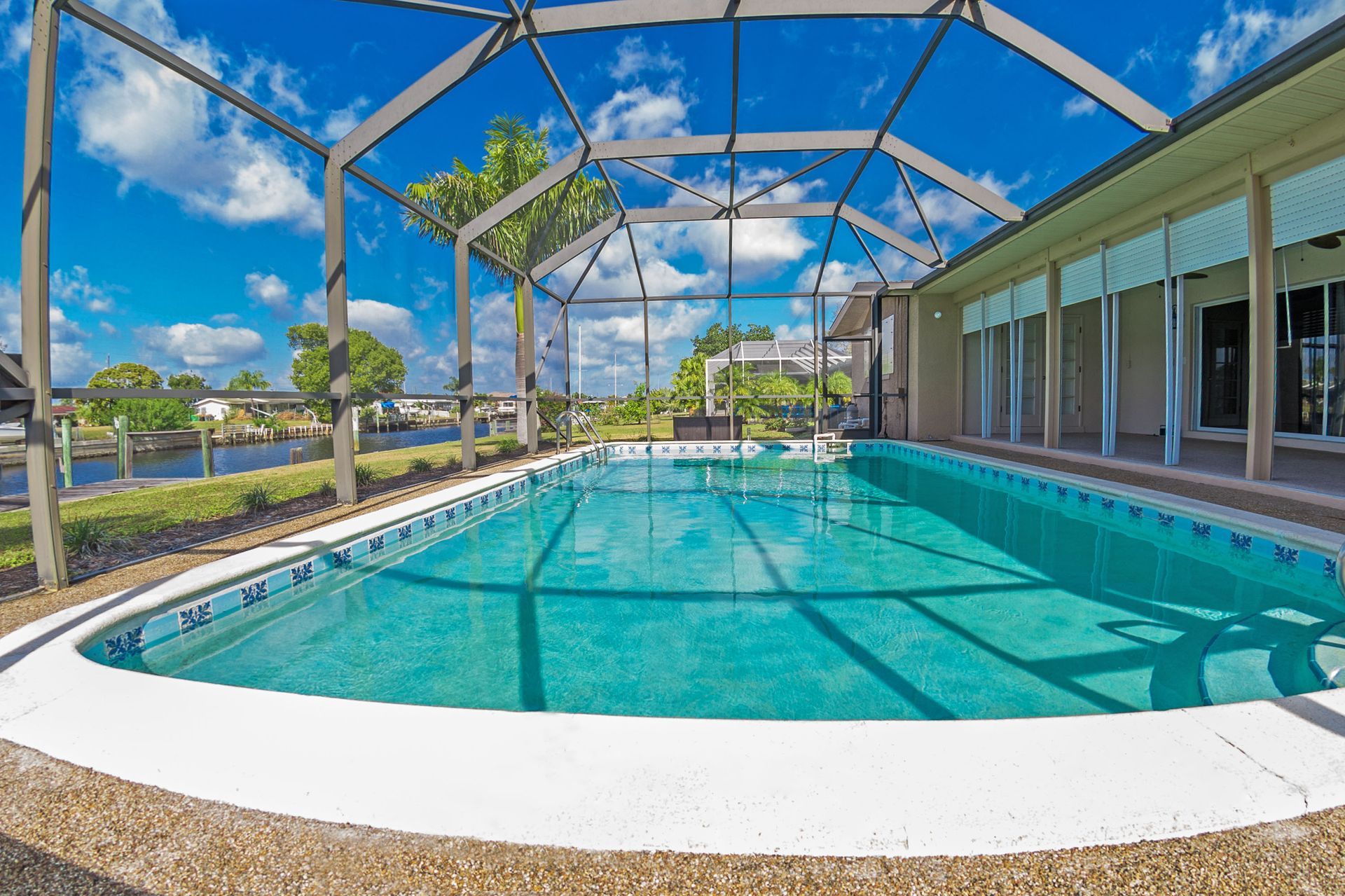
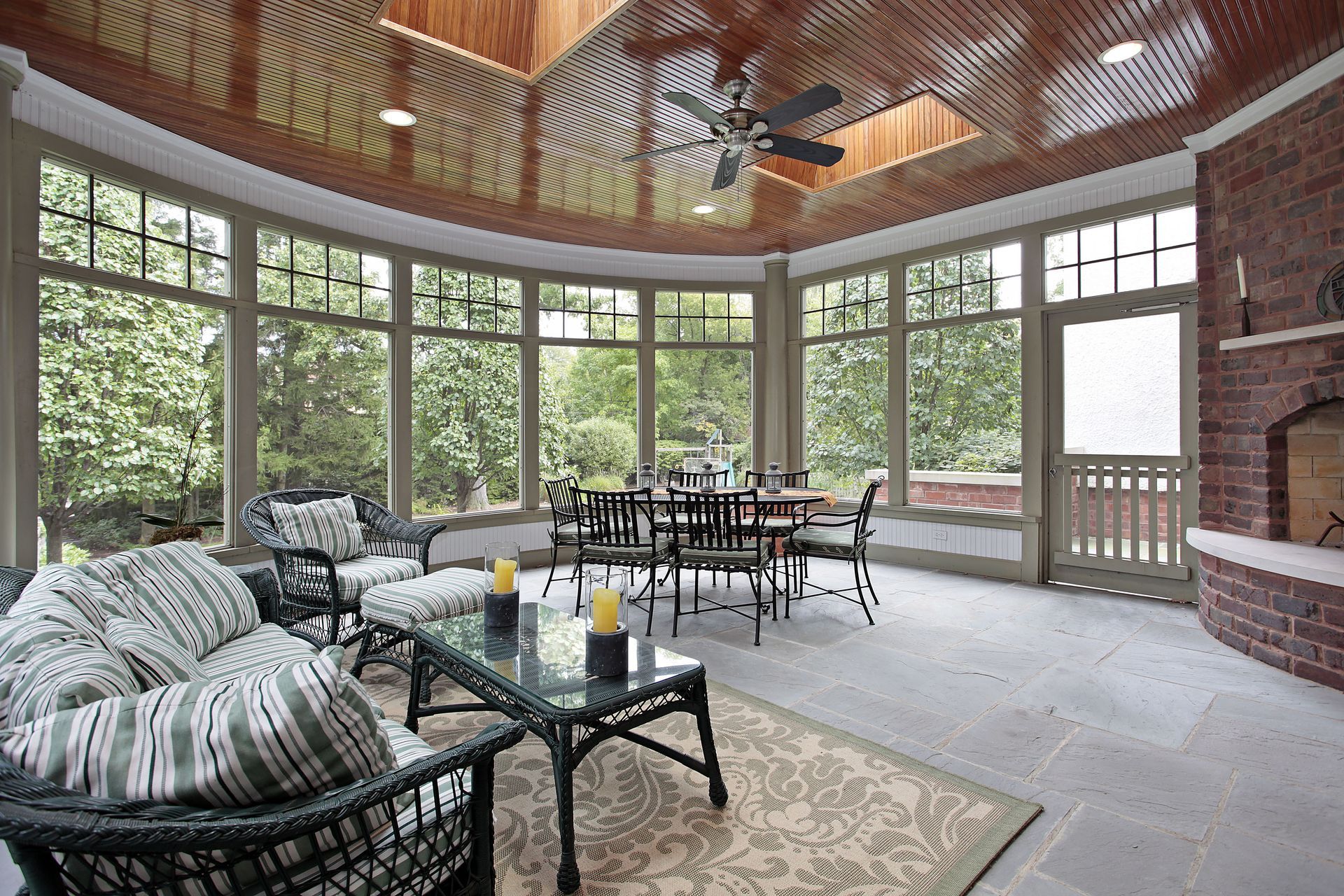
Lanai enclosures create defined outdoor living areas that can provide additional protection from insects, debris, and certain weather conditions. Depending on their design, these structures may incorporate screened panels, privacy features, or adjustable shades. A professional lanai enclosure service can help homeowners explore configurations that accommodate their existing patios while maintaining adequate ventilation and natural light.
When planning an enclosure, consider how neighboring properties overlook your outdoor space. Privacy screens, strategically positioned panels, and complementary landscaping can reduce unwanted visibility. A lanai enclosure service may also help homeowners evaluate suitable materials, structural requirements, and maintenance considerations. Combining an enclosure with surrounding greenery can create a comfortable transition between indoor and outdoor living areas.
Incorporating Pergolas and Garden Structures
Pergolas, arbors, and trellises introduce architectural interest while supporting additional privacy features. Pergolas equipped with retractable shades, adjustable louvers, or climbing plants can provide partial overhead screening. These structures are particularly useful for defining outdoor dining areas, garden pathways, and secluded seating arrangements without completely obstructing surrounding views.
Material selection significantly influences durability and long-term maintenance. Cedar, treated wood, aluminum, and weather-resistant metals offer different appearances and performance characteristics. Homeowners can also incorporate outdoor lighting, decorative curtains, or hanging planters to personalize their spaces. When coordinating garden structures with a lanai enclosure service, consider matching materials and finishes to create a consistent appearance throughout the property.
Balancing Privacy With Outdoor Aesthetics
Effective privacy improvements should complement your home's exterior rather than overwhelm the surrounding landscape. Coordinating colors, textures, and materials helps create visual continuity between fences, enclosures, garden structures, and existing architectural features. Natural materials can introduce warmth, while minimalist designs may complement contemporary homes. Layering greenery with structural elements can also soften boundaries and create a more welcoming atmosphere.
Consider incorporating adjustable privacy features that accommodate changing weather conditions and outdoor activities. Retractable screens, movable planters, and outdoor curtains allow homeowners to modify their surroundings without permanent alterations. A carefully planned lanai enclosure service can complement these features while helping establish a cohesive outdoor living environment. Prioritizing both appearance and functionality ensures that privacy improvements remain practical and visually appealing.
Understanding Local Regulations and Maintenance
Before installing permanent privacy features, review applicable building codes, property boundaries, and homeowners' association requirements. Local regulations may establish restrictions concerning fence heights, enclosure construction, setbacks, and permitted building materials. Certain projects may also require permits or professional inspections. Confirming these requirements before construction can help homeowners avoid costly modifications and potential disputes with neighboring property owners.
Long-term maintenance should also influence your choice of privacy solutions. Wooden structures may require periodic sealing, while plants need appropriate watering, pruning, and seasonal care. Screens and enclosures should be inspected for damaged panels, loose fasteners, and accumulated debris. Establishing a regular maintenance schedule helps preserve their appearance and functionality.
Planning a Private and Functional Outdoor Retreat
Creating an inviting outdoor retreat involves selecting privacy features that accommodate your lifestyle, property dimensions, and maintenance preferences. Natural landscaping provides greenery and environmental benefits, while fences, decorative screens, and garden structures establish more immediate visual barriers. Combining several approaches often produces a balanced environment without making outdoor spaces feel excessively confined.
Whether you prefer lush hedges, adjustable screens, or a professional lanai enclosure service, thoughtful planning can help transform your property into a more secluded and comfortable living area. Evaluate your long-term needs, establish a realistic budget, and select materials appropriate for your local climate. With complementary design elements and regular maintenance, your outdoor space can remain an attractive setting for relaxation, recreation, and entertaining guests. Contact Screenco Inc today and learn more about our enclosure services.