By John Meyer
September 2, 2026
Discover innovative and practical ideas to design an insulated screen room that enhances comfort and allows you to enjoy the fresh outdoor air. Transforming a screen room into a year-round usable space can be achieved without compromising on natural ventilation. This article explores diverse solutions to create a perfect balance between comfort and open-air living. Many homeowners choose insulated screen rooms as a popular home addition, providing a cozy environment that is protected from the elements yet connected to nature. This guide will offer insights into making these spaces enjoyable in all seasons by implementing strategic insulation and design techniques.
Understanding the Basics of Insulated Screen Rooms
Defining an Insulated Screen Room
An insulated screen room is an enclosed outdoor space equipped with screens on each side to allow airflow while keeping pests at bay. It is designed to create a comfortable area that feels open and breezy yet buffered against harsh weather conditions. The insulation extends the usability of the room beyond the summer months by mitigating temperature fluctuations. By using materials and design techniques that provide thermal resistance, you can enjoy fresh air without losing heat in the winter or cool air in the summer. These custom insulated screen rooms, thus, become valuable living spaces for recreation and relaxation.
Key Components of Insulation
The key to insulating a screen room effectively lies in choosing the right materials and installation techniques. Basic components include insulated roof panels, wall materials, and sometimes floor insulation, which together form a thermal barrier. Innovative technologies now allow for materials that maintain visual lightness while providing robust insulative properties. The integration of these components requires precision to ensure there are no gaps where air can escape or enter unchecked. This meticulous approach ensures that insulated screen rooms offer enhanced comfort and superior energy efficiency throughout the year.
Benefits of Having a Screen Room
Adding a screen room to your home has a multitude of benefits, ranging from practical utility to lifestyle enhancement. Besides offering a sheltered place to enjoy the outdoors, well-designed insulated screen rooms increase your home's living area without the full expense of a conventional room extension. They provide a year-round solution for enjoying nature, protected from insects like mosquitoes. Furthermore, these spaces offer potential health benefits by enabling natural light exposure, important for vitamin D synthesis and enhanced mood. The flexibility in design allows homeowners to tailor the space to their personal tastes and lifestyle needs.
Common Materials Used for Insulation
Several materials are commonly used for insulating screen rooms, each with unique advantages and characteristics. Polystyrene and polyurethane foam are popular choices due to their excellent insulative properties and ease of installation. High-performance fiberglass is another option, known for its energy efficiency and ability to fit into most structural designs. Reflective insulation, which works by reducing radiant heat transfer, is also gaining popularity, particularly in warmer climates. The choice of materials for insulated screen rooms often depends on local climate conditions, budget, and personal preference, balancing cost against performance.
Cost Considerations and ROI
Investing in an insulated screen room should be evaluated not only in terms of upfront costs but also regarding long-term return on investment (ROI). Material quality, labor costs, and potential energy savings all factor into the overall expense. According to The Freedonia Group, demand for insulation in the US is forecast to increase 1.9% annually to 10.4 billion pounds in 2025 from a high 2020 base, underscoring the escalating interest and associated costs in insulation systems. However, the initial investment in modern insulated screen rooms can often be offset by reduced energy bills and increased property value. Moreover, a thoughtfully designed screen room can enhance the quality of life, offering an intangible return through improved lifestyle and well-being.
Choosing the Right Materials
Material Options for Screens
When selecting materials for your screen room, consider both aesthetic and functional aspects to ensure high performance in various conditions. Fiberglass mesh is among the most favored options due to its durability, cost-effectiveness, and ability to allow adequate airflow. Aluminum screens offer a more robust alternative, providing long-term resilience against corrosion and extreme weather. For a more luxurious touch, solar screens that reduce glare while offering UV protection can be an attractive choice. Regardless of the material selected, the primary focus should remain on maximizing ventilation and natural light while ensuring durability.
Insulative Properties of Different Materials
The choice of insulation materials directly affects the room's thermal efficiency and overall comfort levels. Polystyrene and EPS foam are lightweight, providing excellent insulative properties, which is a crucial factor in maintaining comfortable temperatures inside the room. Less traditional materials, like Insulated Concrete Forms (ICFs) or Structural Insulated Panels (SIPs), offer higher insulating values but may require professional installation. Ideally, homeowners building insulated screen rooms should seek a material that aligns with their climate needs and budget constraints, ensuring the room stays habitable during hot summers and chilly winters. Each material brings its own advantages, and understanding these can guide a balanced decision.
Durability and Maintenance
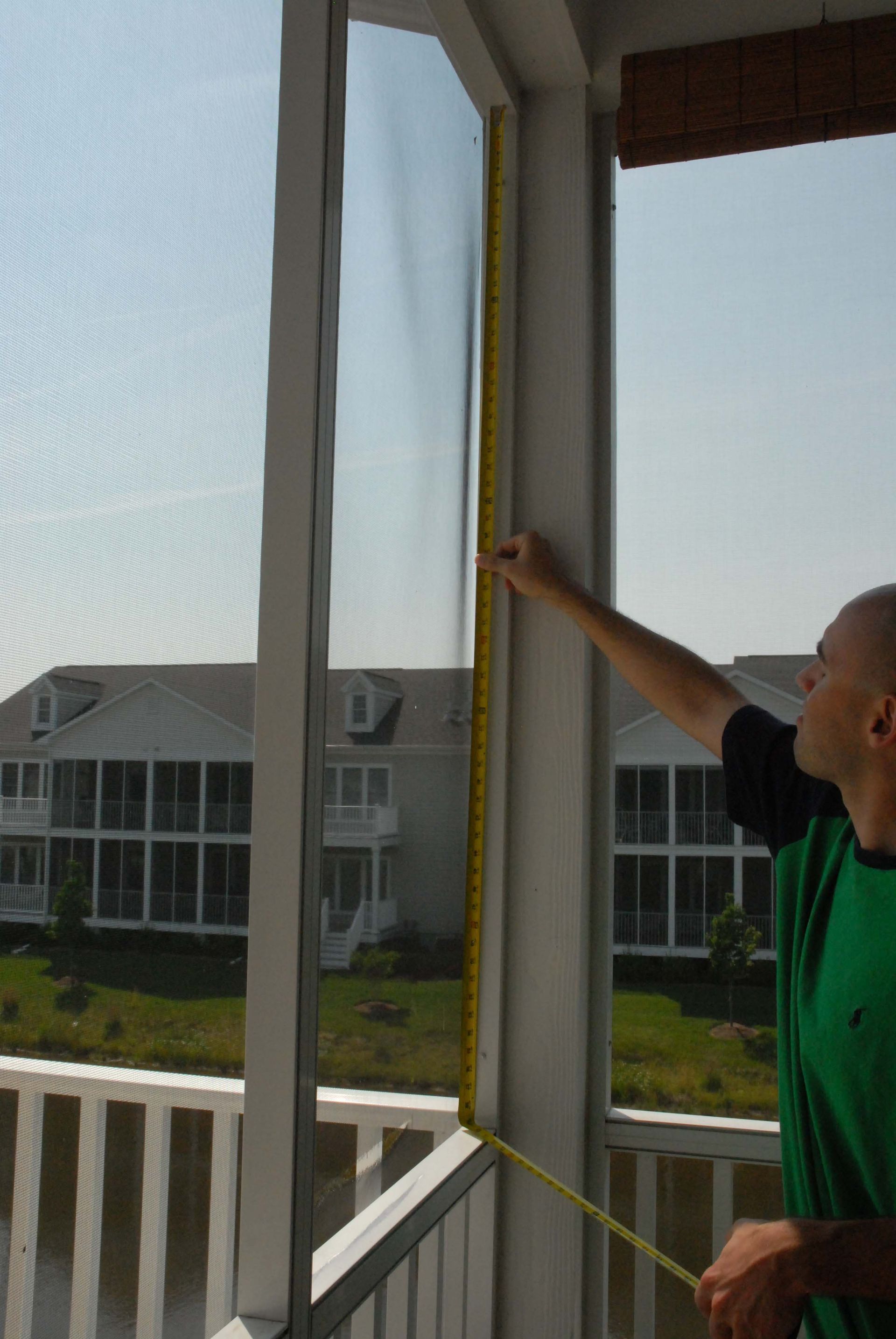
Durability and ease of maintenance are critical considerations when designing an insulated screen room. Opting for weather-resistant materials enhances the longevity of the construction, reducing the need for frequent repairs and replacements. For instance, aluminum and high-performance glass composite frames provide enduring stability even with minimal upkeep. The maintenance of the screen itself should also be considered—materials that resist sagging or tearing contribute to a more sustainable and aesthetically pleasing setup. Regular inspections and timely maintenance can further extend the lifespan and functionality of the screen room, making it a worthwhile investment.
Design Ideas for Maximizing Comfort
Incorporating Comfortable Seating
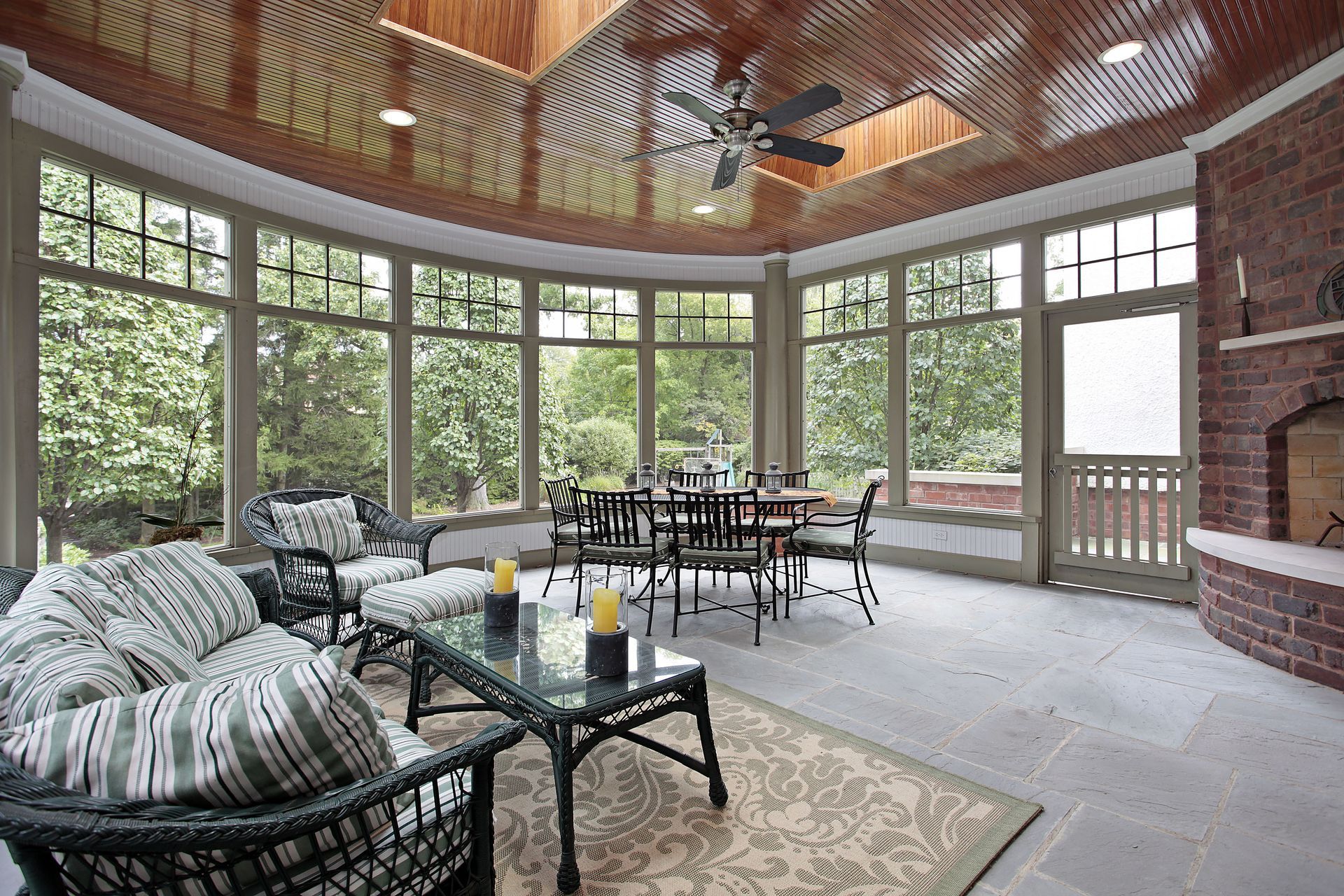
The choice of seating in a screen room significantly impacts the comfort and functionality of the space. Opt for furniture that provides both comfort and style, making the area inviting for relaxation and social gatherings. Ergonomically designed chairs and lounges with plush cushions help create a cozy atmosphere conducive to leisure activities. Material selection should emphasize durability and resilience to outdoor conditions, such as weatherproof fabrics and rust-resistant frames. Additionally, arranging seating to capitalize on natural views or focal points within the room can enhance the overall ambiance.
Designing for Adequate Shade
Adequate shading is vital in maintaining comfort levels in a screen room, preventing excessive heat buildup and protecting against harsh sunlight. Integrate features like retractable awnings, pergolas, or shade sails that can be adjusted to control light and temperature effectively. Strategically placed potted plants or vertical gardens can also serve as natural shade providers while enhancing the room's aesthetic appeal. Combining both fixed and movable shading options offers flexibility in response to changing weather conditions. Proper shade management ensures a pleasant environment, allowing for year-round enjoyment of the screen room.
Connecting With Nature through Design
Integrating elements that connect the screen room with its natural surroundings enhances both the sensory experience and the aesthetic appeal. Consider using natural materials like stone or wood for structural elements, which complement the outdoor setting and create visual harmony. Large windows or screens that offer panoramic views support a seamless blend between indoor comfort and outdoor beauty. Incorporating plants and water features can further enhance the ambiance, inviting nature in while maintaining a sheltered, comfortable environment. These design strategies foster a relaxing atmosphere that emphasizes the harmony between built space and natural landscape.
Creating an insulated screen room allows you to maximize your home's square footage while bridging the gap between indoor comfort and outdoor living. By choosing high-performance insulation, durable screening materials, and strategic ventilation, you can create a flexible, multi-season retreat that remains energy-efficient and comfortable year-round. Whether you add personal touches through climate control, versatile decor, or entertaining features, a well-designed space ultimately delivers long-term financial value and an elevated daily lifestyle. Call Screenco Inc today for more information.