By John Meyer
July 31, 2026
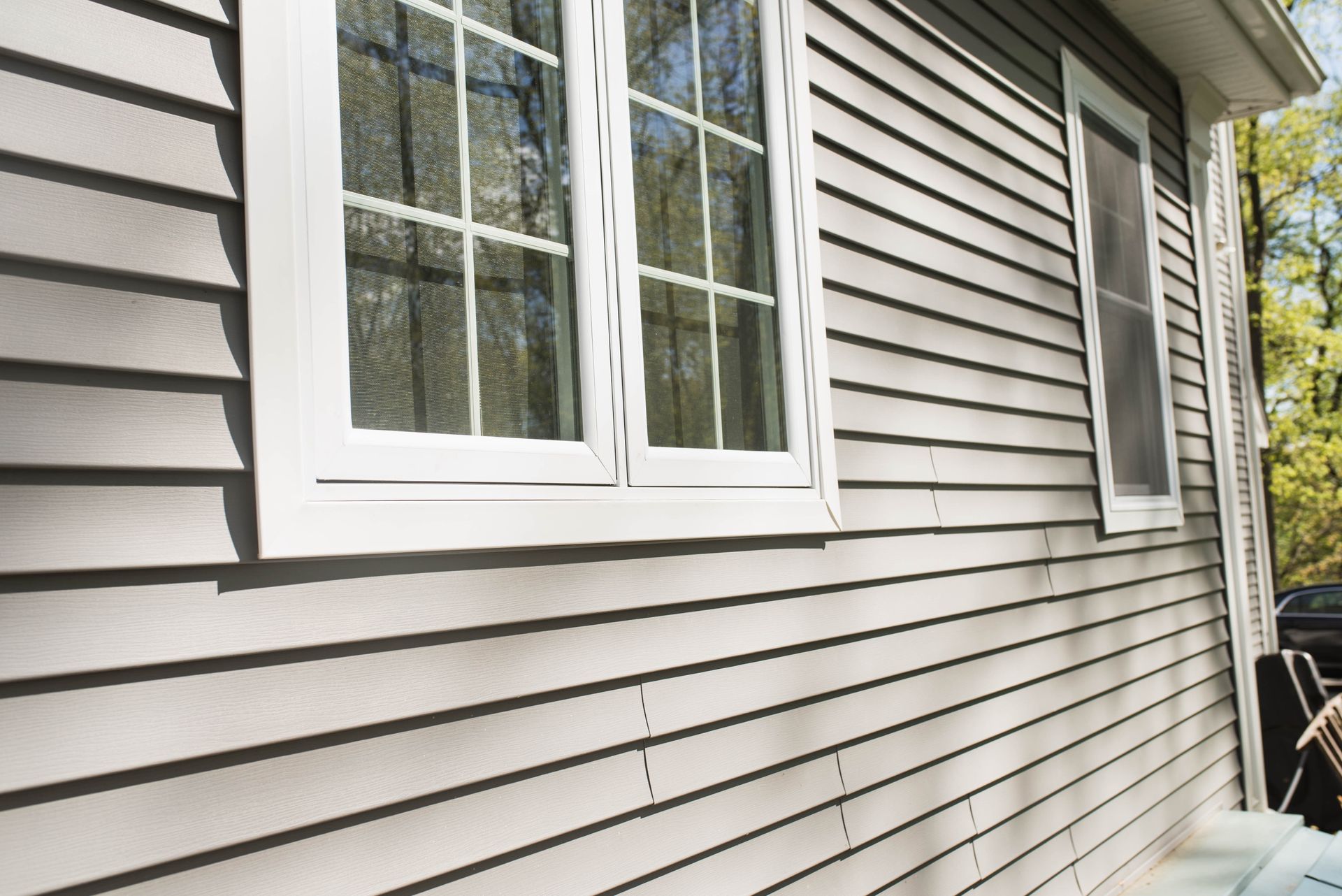
Vinyl acrylic windows represent a modern solution to traditional window materials by combining the advantages of vinyl's flexibility with acrylic's durability. Homeowners looking to improve energy efficiency, enhance home comfort, and reduce maintenance find these windows increasingly suitable. This article delves into the various aspects of vinyl acrylic windows, exploring their composition, energy efficiency, comfort benefits, maintenance requirements, installation, and market trends. With a growing market demand and technological advancements, these windows present a significant addition to contemporary home design. By understanding their features and benefits, homeowners can make informed decisions about upgrading their existing window systems.
1. Understanding Vinyl Acrylic Windows
1.1 Composition and Material Properties
Vinyl acrylic windows are crafted from a combination of polyvinyl chloride (PVC) and acrylic compounds, offering a unique blend of flexibility and strength. The vinyl elements provide insulation and resistance to environmental factors, while the acrylic component adds clarity and robustness. This fusion results in a window material that withstands weather extremes without compromising performance or aesthetics. Additionally, vinyl acrylic windows exhibit excellent thermal and acoustic properties, significantly enhancing a home’s interior environment. The compatibility of PVC and acrylic ensures that these windows remain durable yet cost-effective for a range of applications.
1.2 Historical Development and Evolution
The development of vinyl acrylic windows can be traced back to the mid-20th century, when innovations in polymer chemistry began influencing architectural products. Initially, vinyl windows were simple, offering basic protective features but lacking in aesthetic and thermal performance. Over time, advancements in technology and materials have propelled the evolution of these windows. The integration of acrylic with vinyl has brought about a significant leap in performance, bridging the gap between traditional windows and high-performance alternatives. As environmental standards become more demanding, vinyl acrylic windows continue to adapt through innovative design and improved material sciences.
1.3 Comparison with Other Window Materials
Compared to traditional wood and aluminum windows, vinyl acrylic windows offer superior benefits in terms of durability, maintenance, and energy efficiency. Wood windows, although appreciated for their beauty, require regular upkeep and are prone to warping under moisture exposure. On the other hand, aluminum windows, while strong, conduct heat easily and are less energy efficient. Vinyl acrylic windows provide a middle ground with excellent insulation properties, requiring minimal maintenance while sustaining their appearance. Additionally, they offer a wide range of finishes to match various architectural styles, making them versatile for both modern and traditional homes.
1.4 Manufacturing Process and Quality Control
The production of vinyl acrylic windows involves a meticulous manufacturing process that starts with the extrusion of PVC profiles, which are then reinforced with acrylic layers. The combination of these materials undergoes rigorous quality checks to ensure they meet industry standards for safety and performance. Advanced machinery and precision engineering techniques are employed to cut, join, and seal the window components with high accuracy. In addition to mechanical tests, chemical analyses confirm the windows' resistance to UV radiation and extreme temperatures. Manufacturers adhere to quality control procedures to ensure each window delivered meets durability and performance specifications.
2. Energy Efficiency Benefits
2.1 Insulation and Thermal Regulation
Vinyl acrylic windows excel at insulating homes, minimizing heat transfer between the indoor and outdoor environments. This insulation capability helps maintain a consistent indoor temperature, reducing the need for heating systems in winter and cooling systems in summer. Their airtight seals prevent drafts, significantly decreasing potential energy loss. Furthermore, advanced glazing options, such as Low-E glass, further enhance thermal regulation by reflecting heat back into the home. This robust energy-efficient performance not only improves home comfort but also contributes to long-term energy savings.
2.2 Reducing Energy Consumption
With their superior insulation properties, vinyl acrylic windows help homeowners achieve remarkable reductions in energy consumption. By preventing heat escape during colder months and keeping interiors cooler during warmer months, these windows reduce reliance on HVAC systems. Consequently, homeowners experience reduced utility bills, amplifying their cost-efficiency. In fact, the initial expense of installing vinyl acrylic windows can often be offset within a few years through these energy savings. According to the Freedonia Group, the U.S. vinyl windows and doors market was estimated at $7.3 billion, demonstrating continued demand for such energy-saving solutions.
2.3 Solar Heat Gain Coefficient (SHGC)
The Solar Heat Gain Coefficient (SHGC) measures the amount of solar radiation that a window allows into a home, with lower SHGC values indicating better performance in blocking heat gain. Vinyl acrylic windows are designed to optimize SHGC, balancing the need for natural light and solar heat reduction. Their high-performance glass finishes filter sunlight, reducing indoor overheating during summer while maintaining warmth in winter. This balance not only improves occupant comfort but also supports energy efficiency goals. Strategic placement of vinyl acrylic windows within a home can enhance these benefits by maximizing natural light while minimizing unnecessary heat gain.
2.4 U-Factor Considerations
Another critical aspect of energy efficiency in windows is the U-Factor, which measures the rate of heat transfer. Vinyl acrylic windows typically feature low U-Factor ratings, reflecting their excellent insulating capabilities. A lower U-Factor indicates better insulation against heat loss, contributing to reduced energy consumption for heating and cooling. Choosing windows with a favorable U-Factor is essential for homeowners aiming to create highly efficient and comfortable living environments. Through innovative construction techniques, vinyl acrylic windows achieve these desirable standards, appealing to eco-conscious consumers.
3. Enhancing Interior Comfort
3.1 Temperature Consistency in Different Seasons
One of the primary advantages of vinyl acrylic windows lies in their ability to stabilize indoor temperatures across different seasons. During winter, their multi-layer design prevents cold air infiltration, ensuring warmth is retained within the home. In summer, the same thermal barriers keep heat out, maintaining a refreshing interior climate. This consistency eliminates cold spots and reduces the need for supplementary heating or cooling devices. Consequently, homeowners enjoy enhanced comfort, contributing to overall well-being and reducing environmental control stress.
3.2 Noise Reduction Capabilities
The acoustic properties of vinyl acrylic windows provide a welcome reduction in outdoor noise pollution. Their multi-layer construction serves as a buffer, dampening sound waves before they penetrate the home's interior. For households in bustling urban environments or near busy roads, this feature is particularly beneficial, leading to quieter and more serene living spaces. The reduction in ambient noise contributes to a more peaceful environment, fostering better concentration and relaxation. As a result, these windows are ideal for reducing auditory disturbances in residential settings.
3.3 UV Protection to Prevent Interior Fading
Vinyl acrylic windows are equipped with UV-resistant coatings that protect interior furnishings from sun exposure damage. These coatings block harmful UV rays, preventing photo degradation of fabrics, flooring, and artwork over time. By filtering out a significant portion of UV light, they safeguard investments in interior decor, preserving their quality and appearance. This protection is particularly important for homes with large windows and rooms that receive extended periods of sunlight. Furthermore, by maintaining the vibrancy of interior elements, the windows contribute to a well-maintained home aesthetic.
3.4 Glare Reduction for Better Indoor Lighting
Excessive glare from direct sunlight can disrupt indoor activities and diminish visibility within a home. Vinyl acrylic windows mitigate this problem by incorporating anti-glare treatments within their glazing. These treatments diffuse incoming sunlight, reducing reflections and creating a comfortable illumination balance inside rooms. The result is improved visual clarity for tasks such as reading, computing, or watching TV without the distraction of bright sunlight. By harmonizing natural and artificial lighting, these windows enhance the functional use of space and create pleasant, evenly lit environments.
Vinyl acrylic windows stand as a testament to modern engineering, offering unparalleled benefits in comfort and maintenance ease. Their enhanced insulation capabilities reduce energy consumption while their durability ensures long-lasting performance. As sustainable solutions aligned with today's eco-conscious market demands, they cater to both aesthetic preferences and practical homeowner needs. Their adoption continues to rise, driven by both consumer satisfaction and ongoing innovation in the field. By embracing vinyl acrylic windows, individuals invest in future-proofing their homes against energy challenges and maintenance concerns. Reach out to Screenco Inc today to see how we can help you!